Liberia bans exports of unprocessed natural rubber
8 Jul 2026
Share:
Executive order aims to boost local processing and manufacturing, effctive 1 July
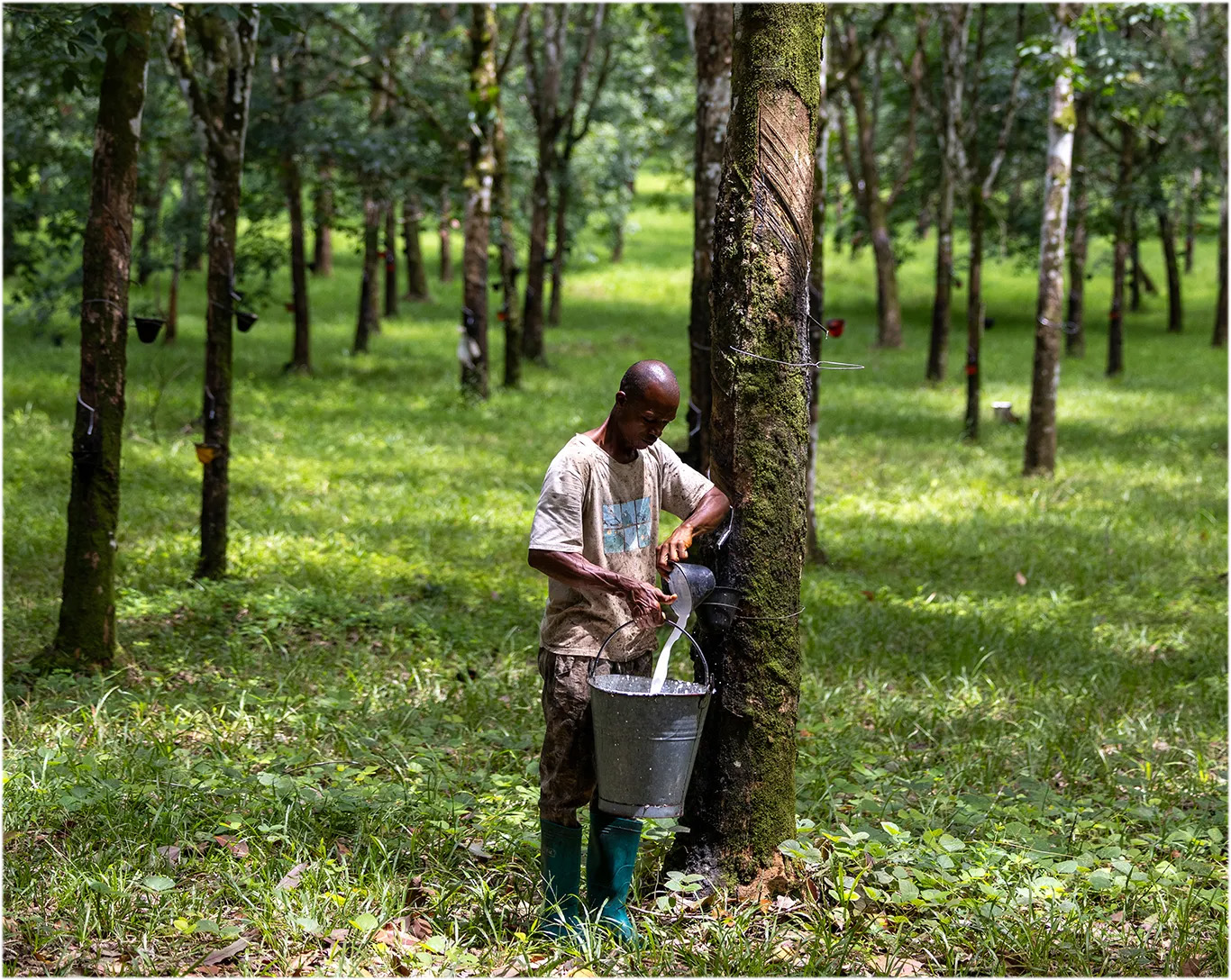
Monrovia – Liberian president Joseph Nyuma Boakai has issued an executive order imposing an “indefinite ban” on exports of unprocessed natural rubber as part of efforts to expand domestic manufacturing and value addition.
Issued 26 June, the order took effect 1 July and prohibits the export of unprocessed natural rubber, including natural latex, coagulum, cup lump, tree lace, bark scrap, ground scrap and other forms of raw rubber.
The measure is part of the government's “ARREST Agenda for Inclusive Development”, which aims to stimulate industrialisation, create jobs, increase government revenue and strengthen Liberia's manufacturing sector.
According to the executive order, continued exports of raw rubber have deprived the country of "significant downstream manufacturing opportunities, industrial employment, expanded tax revenues, and improved foreign exchange earnings."
The order states that previous attempts to regulate raw rubber exports were undermined by "widespread abuse," making stronger executive action necessary.
Exports of processed products, including latex concentrate, technically specified rubber (TSR), ribbed smoked sheets, crepe rubber and other internationally recognised processed rubber products, will continue to be permitted.
The order introduces strict penalties for violations, including seizure and forfeiture of illegally exported rubber.
Furthermore, penalties include fines of up to $100,000 for corporations and $50,000 for smallholder farmers for first offences, permanent revocation of export privileges for repeat offenders and criminal prosecution under Liberian law.
Shipping companies and agents found complicit in illegal exports will also face sanctions.
The government also pledged to support domestic rubber processing through tax incentives, concessional financing, infrastructure support and policies aimed at expanding the manufacture of finished rubber products, including tires, gloves, footwear and adhesives.
The executive order will remain in force until repealed or amended by the Liberian legislature.
It will be reviewed annually to assess its impact on the country's industrial development and rubber sector.
This article is only available to subscribers - subscribe today
Subscribe for unlimited access. A subscription to European Rubber Journal includes:
Every issue of European Rubber Journal (6 issues) including Special Reports & Maps.
Unlimited access to ERJ articles online
Daily email newsletter – the latest news direct to your inbox