Indian manufacturer cuts low-margin exports as higher feedstock and freight costs disrupt markets
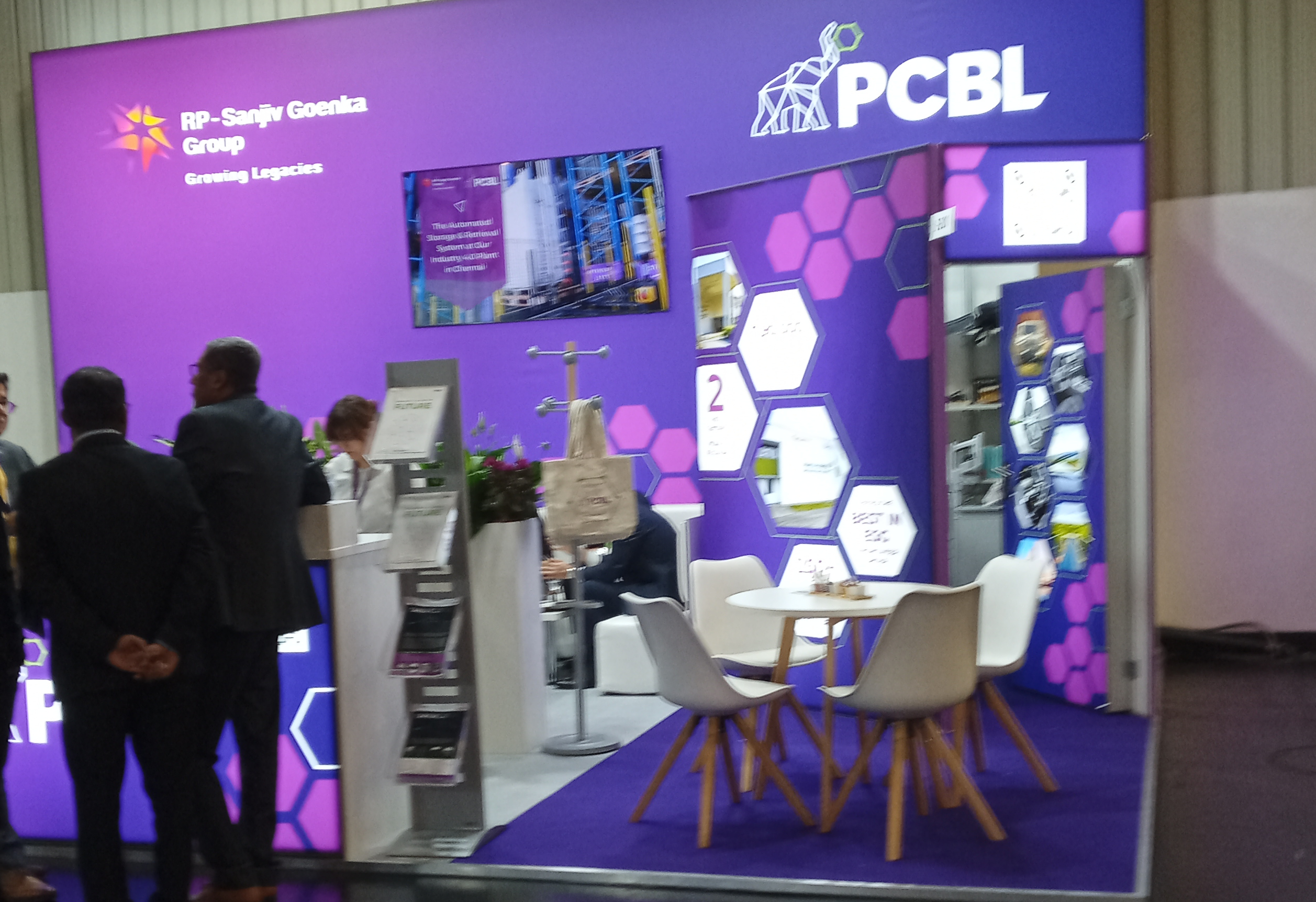
Kolkata, India – PCBL Chemical has reported higher second-quarter sales and earnings despite a sharp decline in carbon black volumes.
Consolidated revenue increased 14% year-on-year to INR24.7 billion (€237 million) for the three months ended 30 Sept, while earnings (EBITDA) rose 12% to INR3.1 billion, the Indian manufacturer reported 2 Nov.
Carbon black segment revenue of rose 16.8% year-on-year to INR19.8 billion, while segment profit before interest and tax increased 17.3% to INR1.9 billion.
However, carbon black sales volumes declined 17% year-on-year to 134,180 tonnes, from 161,728 tonnes, as the group cut back on lower-margin exports.
Speaking during a 2 Nov earnings call, managing director Nilesh Koul said the September quarter had been marked by "volatility in carbon black market," with crude oil price movements influencing customer purchasing patterns.
Geopolitical developments, particularly the conflicts in the Middle East and between Russia and Ukraine, continued to "disrupt trade routes, elevate freight costs," and influence customer destocking decisions, he added.
According to Koul, higher shipping expenses, vessel shortages and longer transit times were increasing the cost of supplying customers.
"We are balancing customer commitments with realisation and remain selective while logistics costs make the economics less attractive," he said.
The Indian group reported domestic carbon black sales of 92,843 tonnes, while exports totalled 41,337 tonnes.
Tire-grade carbon black volumes fell 17% year-on-year to 77,914 tonnes, while performance chemicals volumes declined 21.1% to 39,698 tonnes.
Speciality carbon black sales also decreased 5.4% to 16,568 tonnes.
According to chief financial officer Raj Gupta, the volume decline was primarily due to a commercial decision to withdraw from low-return businesses.
"This was primarily a margin decision," Gupta said during the earnings call, adding that the group had decided to "let go of those orders," particularly in Sri Lanka, Bangladesh, Vietnam and Thailand, where margins were unattractive.
"We are not chasing volumes," Gupta added. "We would rather keep this capacity spare."
Market outlook
Koul said Indian carbon black demand continued to benefit from strong OEM performance and steady replacement tire demand.
However, customers were maintaining “lean inventories” and adopt a “wait-and-watch” approach amid uncertainty over feedstock prices.
"Tire manufacturers continue to face elevated raw material costs, not just carbon black, but on elastomers and rubber as well," he said.
According to Koul, freight and logistics costs have also “risen very sharply” with shortage of vessels, availability and longer transit times.
“Longer shipping routes are increasing ton miles while higher freight rates and war risk premiums are adding to the landed cost of feedstock,” said the PCBL leader.
Therefore, he said, PCBL is “balancing customer commitments with realisation and remain selective while logistics costs make the economics less attractive.”
Koul also pointed to increasing coal-tar prices in China and reduced Russian refinery output, which were tightening international carbon black and feedstock supplies.
"Russian supplies have become challenging," he said, adding that higher Chinese feedstock costs had also reduced the competitiveness of imports into India.
PCBL expects improving supply conditions and higher spot-market prices to support margins in the coming quarters.
"We have already announced the price increase in the spot market as well," Koul said.
"In November and December, we expect that price increase to go further up."
The company nevertheless acknowledged that its earlier target of around 7% carbon black volume growth for the financial year had become more difficult to achieve.
"Volume might be a little lesser than what we had initially set out at the beginning of the year," Koul said.
However, PCBL maintained its guidance for double-digit growth in average carbon black earnings per tonne compared with FY2026.