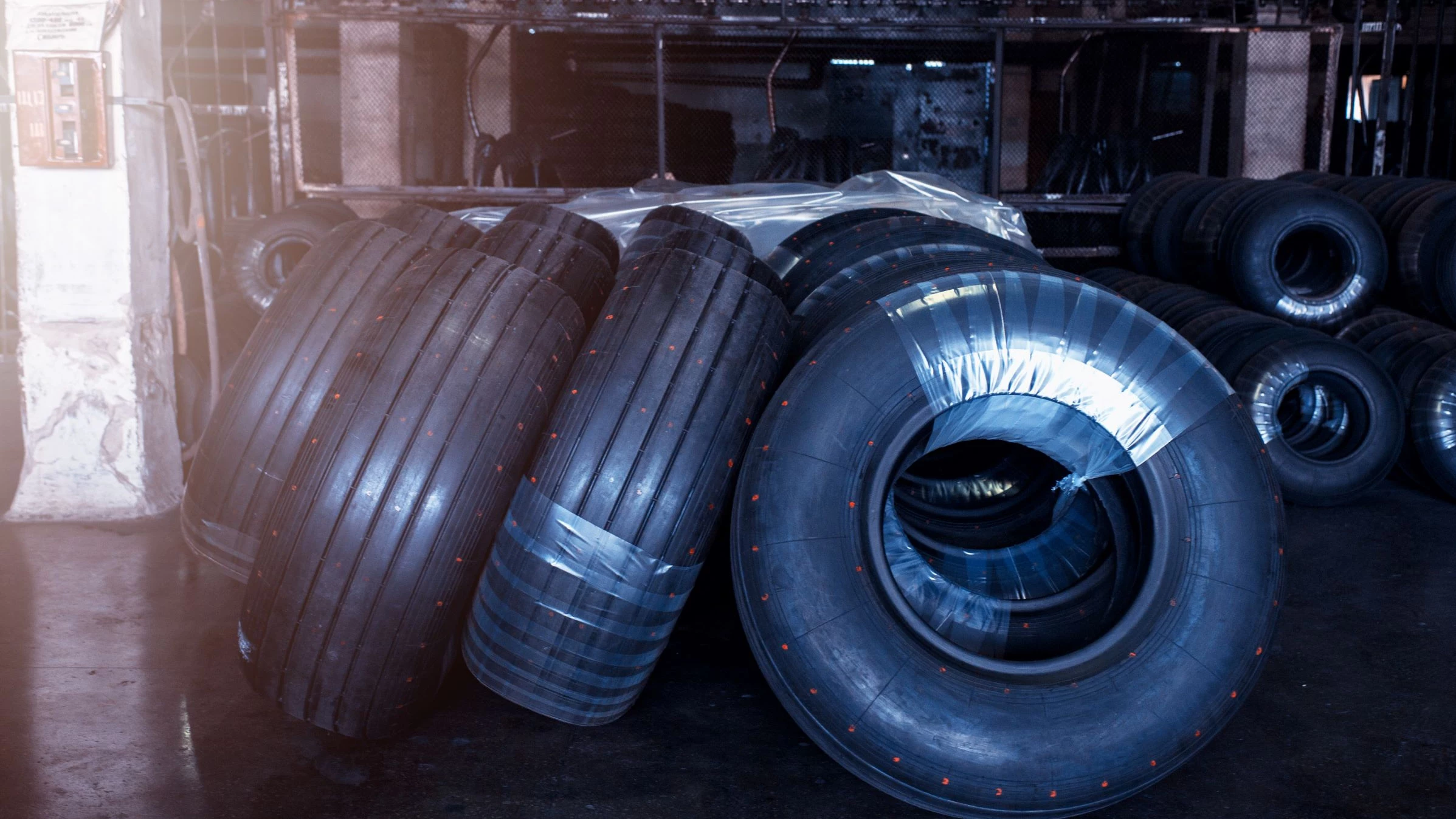
DATL taps osapiens to automate EUDR compliance for natural rubber supply
12 Oct 2026
Share:
AI platform to help tire maker ‘build a defensible EUDR due diligence process’
Mannheim, Germany – Dunlop Aircraft Tyres Ltd (DATL) has selected German software company osapiens to ensure EU Deforestation Regulation (EUDR) compliance for its natural rubber (NR) supply.
In a 5 Oct statement, osapiens said its AI platform – osapiens HUB – will build “a defensible EUDR due diligence process,” for DATL and offer “a more resilient view of where its natural rubber originates, across a large and fragmented upstream supply chain.”
According to osapiens, NR presents “one of the most complex compliance challenges” under EUDR.
This, it explained is because the regulation extends accountability beyond a company's direct suppliers to the origin of the raw material itself.
“For tire manufacturers, that origin is a large, fragmented network of upstream sources with limited digital records. At that scale, manual review is no longer a viable compliance approach,” said osapiens.
Stephan de Barse, Chief Revenue Officer, osapiens explained, NR compliance is complicated “because the real risk sits many tiers upstream, well beyond what any manual process can reasonably track.”
Dunlop's decision, De Barse said, “shows where the market is heading: toward AI that doesn't just detect risk, but resolves it, automatically and defensibly, at the scale a global supply chain demands.”
According to osapiens, the AI platform can automate deforestation and legality risk assessments “down to the individual plots where its rubber originates.”
The platform then embeds that due diligence directly into Dunlop's existing workflows, making EUDR compliance “a built-in capability” for the tire maker.
The system documents all the checks, pieces of evidence and decisions throughout the process, providing a “clear, defensible record” to present for regulatory reporting, customer requests or internal governance.
Furthermore, AI agents will be employed to work on cases where a standard process can't resolve issues, such as incomplete data or added complexity further upstream.
“Rather than chasing that risk manually across a large, fragmented upstream supply base, the company [DATL] now has a single, continuously updated view of its natural rubber supply chain,” concluded osapiens.
This article is only available to subscribers - subscribe today
Subscribe for unlimited access. A subscription to European Rubber Journal includes:
Every issue of European Rubber Journal (6 issues) including Special Reports & Maps.
Unlimited access to ERJ articles online
Daily email newsletter – the latest news direct to your inbox