Tyres Europe: EU 'off target' with tire label reforms
29 Jun 2026
Share:
Industry body urges EU regulators to avoid adding red-tape, focus on consumer awareness
Brussels – Tyres Europe has welcomed parts of the European Commission's proposed Energy Labelling Omnibus package but warned that other measures risk increasing regulatory complexity rather than simplifying the rules for tire manufacturers.
In a 25 June statement, the industry association said the proposal included measures to reduce certain administrative steps.
Such measures include digitising labels, establishing a technical link between the European Product Registry for Energy Labelling (EPREL) and the Digital Product Passport registry, and enabling automatic generation of label images in EPREL.
However, other elements of the proposal risk "moving in the opposite direction."
For instance, Tyres Europe said, proposals to provide additional empowerment for delegated acts, which could enable rescaling of the label, will create "new regulatory uncertainties and technical impediments."
Similarly, the proposals to expand the Product Information Sheet (PIS), introducing the “nested labels” and expansion of EPREL database requirements, risk adding administrative complexity for manufacturers and the wider supply chain, without clear evidence that they would improve consumer choices.
Finally, the association said, the Omnibus should include “clear and consistent amendments” that ensure the digitalisation of the tire label.
"The priority should be to make the existing tire label better understood and used by consumers, not to add new layers of complexity that risk creating costs without changing purchasing behaviour," said secretary general Adam McCarthy.
A simplification package, he stressed, “should simplify."
According to the association, the challenge is not a lack of information but limited consumer engagement with existing tools.
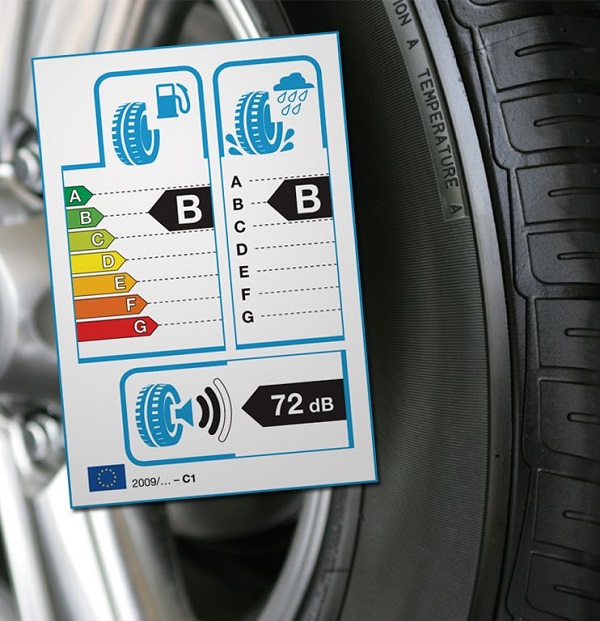
The association pointed to a review by the European Commission which found that only 39% of consumers recalled seeing the tire label when shopping, down from 50% in 2017.
The same review found that just 5% of consumers were aware of or had consulted the EPREL database before purchasing tires.
Tyres Europe, therefore, called for "a more coherent and targeted approach" that improves awareness and understanding of the existing tire label.
The approach, it said, should also support market incentives for higher-performing tires and avoid introducing additional technical requirements where "the consumer benefit is not clear."
The association said it stands ready to work with the Commission and EU co-legislators to ensure the final framework delivers "practical simplification, better consumer information, and a competitive regulatory environment for European businesses."
This article is only available to subscribers - subscribe today
Subscribe for unlimited access. A subscription to European Rubber Journal includes:
Every issue of European Rubber Journal (6 issues) including Special Reports & Maps.
Unlimited access to ERJ articles online
Daily email newsletter – the latest news direct to your inbox