Tire makers launch healthcare scheme for rubber farmers in Ivory Coast
23 Apr 2026
Share:
GPSNR-led project targets 1,800 households, links health access to supply chain productivity
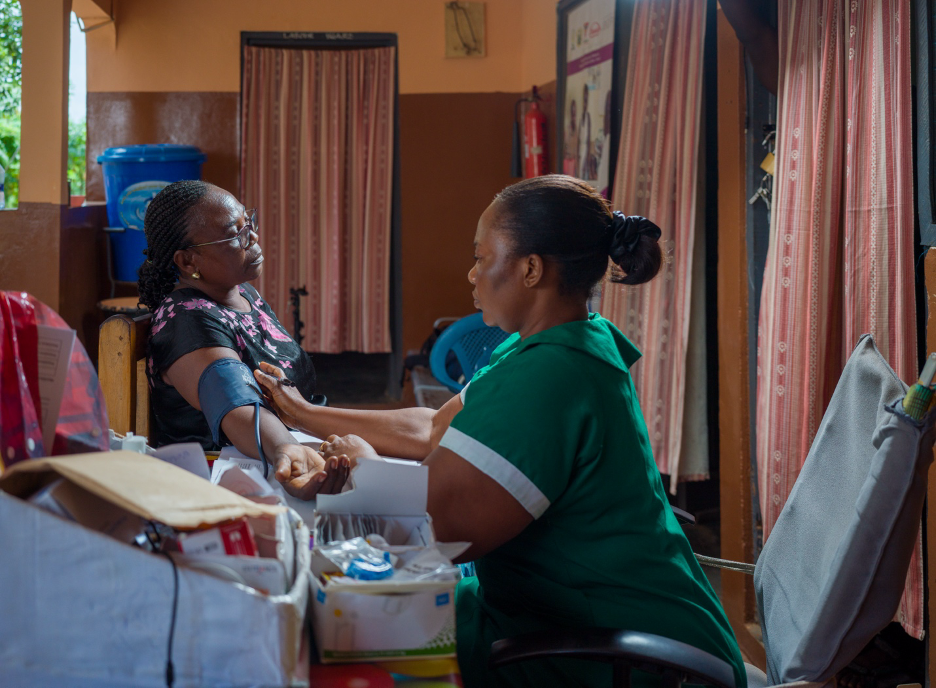
Singapore — The Global Platform for Sustainable Natural Rubber (GPSNR) has launched a three-year partnership with Berlin-based social enterprise Elucid to provide healthcare access to 1,800 rubber farming households in Cote d’Ivoire, covering around 9,000 people.
The initiative is funded through GPSNR’s ‘shared investment mechanism’ (SIM) by 13 tire & rubber companies, including Aeolus, Apollo, BKT, Goodyear, Hankook, Kumho, Maxxis, Nokian Tyres, Prometeon, Sumitomo Riko, Sumitomo Rubber, Toyo Tire and Yokohama Rubber.
In a 23 April statement, GPSNR said the project addresses a gap the industry has long overlooked: “The direct impact of farmer health on supply chain productivity.”
“We talk constantly about improving yields and farm management practices, but we’ve missed something fundamental,” said CEO Stefano Savi.
“Healthcare isn’t separate from supply chain resilience. It’s central to it.”
Ivory Coast is the world’s fourth-largest rubber producer and according to GPSNR, yet smallholder farmers who drive the production in the country face “severe healthcare barriers.”
The country ranks 187th out of 195 for quality of care, while only 32% of essential medicines are available in the public sector, according to a 2020 assessment.
Although two-thirds of the population are enrolled in the national CMU insurance scheme, fewer than 4% used their cover in 2025 due to administrative and access barriers.
The GPSNR programme includes enrolment in the CMU scheme, additional cover for emergency and essential care, upgrades at 15 healthcare facilities, and community awareness campaigns.
Elucid will track delivery via a digital platform, with targets including: Increasing healthcare visits from fewer than 200 to more than 1,800; raising insurance enrolment to over 90%; and preventing more than 150 cases of “catastrophic health expenditure” annually.
“This is about demonstrating what’s possible when the private sector invests in making national health systems work for farmers,” said partnerships manager Sambhavna Biswas.
The model, said Biswas, can be replicated across rubber-growing regions.
Citing a 2024 study in Ghana, GPSNR said enrolment of farmer households in national health insurance increased agricultural investment in several areas by approximately 40%.
Farmer enrolment in Ivory Coast is set to begin in August, with the project running until January 2029.
From December 2027, the initiative will shift towards "longer-term sustainability," with cooperatives expected to take on a greater role.
This article is only available to subscribers - subscribe today
Subscribe for unlimited access. A subscription to European Rubber Journal includes:
Every issue of European Rubber Journal (6 issues) including Special Reports & Maps.
Unlimited access to ERJ articles online
Daily email newsletter – the latest news direct to your inbox