MARGMA flags technology, high-value products as key to rubber revival
22 Jan 2026
Share:
Malaysian association sets out priorities as rubber sector faces risk of becoming ‘sunset industry’
Kuala Lumpur – Malaysia’s rubber industry must accelerate its shift towards technology-driven, high value-added products to remain competitive amid rising costs and global competition, the Malaysian Rubber Glove Manufacturers Association (MARGMA) said on 15 Jan.
In a statement on the future of the sector, MARGMA said Malaysia’s rubber sector faces the risk of becoming a “sunset industry” unless manufacturers strengthen innovation, improve productivity and move up the value chain.
Malaysia’s “deep-rooted” expertise in the rubber industry, said the association, provides a platform for revitalisation through “technology adoption, stability and regional collaboration”.
MARGMA noted that rubber products currently account for around 2% of Malaysia’s total exports, with gloves, catheters and other medical products dominating shipments, mainly to the US, EU, China and Japan.
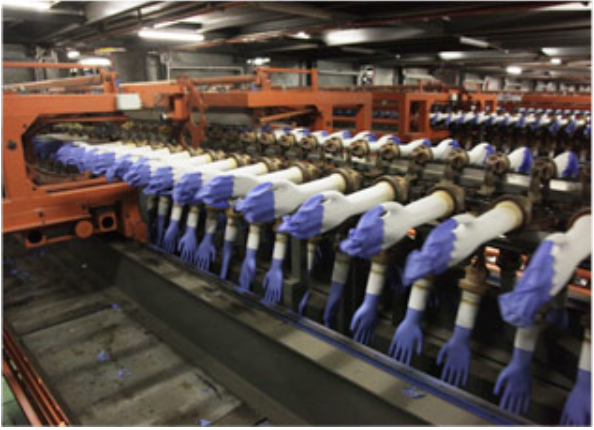
Despite supplying 60% of global rubber glove demand, the association said the local sector has lost competitiveness in recent years due to shifting market dynamics and intensifying competition.
According to MARGMA, around 125 manufacturers are focused on gloves and catheters, representing roughly 80% of rubber exports.
A further 185 companies produce industrial rubber components for sectors such as automotive, electronics and machinery.
This downstream concentration has supported the development of advanced machinery, equipment and testing capabilities, but the association said further upgrading is needed.
MARGMA said future growth lies in “higher value-added production”, including advanced rubber composites, graphene-enhanced materials, electrically conductive rubber blends and rubber-based solutions for automotive, construction and smart textile applications.
The association noted that external shocks such as tariffs and China’s aggressive pricing strategy could significantly impact the industry.
However, MARGMA said the underlying challenge lies in the ability of Malaysia’s rubber industry and its ecosystem to “innovate and adapt effectively to market changes.”
Issues such as shortage of labour, compliance pressure and sustainability requirements for export markets need to be addressed, it said.
The association also highlighted “greater regional integration” and “value optimisation” as a strategic approach to address rising challenges.
This, it said, involves relocating low value-added rubber production to regional partners with more competitive cost structures, while retaining high value functions such as research and technology development.
“By doing so, Malaysia is positioning itself as a regional hub for advanced rubber technology and sustainable growth,” it concluded.
This article is only available to subscribers - subscribe today
Subscribe for unlimited access. A subscription to European Rubber Journal includes:
Every issue of European Rubber Journal (6 issues) including Special Reports & Maps.
Unlimited access to ERJ articles online
Daily email newsletter – the latest news direct to your inbox