Tokai Carbon in waste-derived CO2-to-carbon tie-up
5 Dec 2025
Share:
Waste-derived materials will then be used in producing conductive materials such as carbon nanotubes
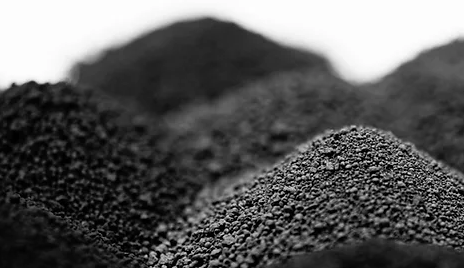
Tokyo – Tokai Carbon has launched a joint project with Japan’s Smart City Planning Co. and municipal waste processing company Takuma to convert CO2 from municipal solid-waste into solid carbon for use in conductive materials.
In a 1 Dec statement, the company announced that the project had secured backing from Japan’s ministry of the environment under a carbon-neutral technology development scheme.
The aim is to develop technology that can capture CO2 emitted during waste treatment and convert it into solid carbon for carbon-neutral conductive materials such as carbon nanotubes (CNTs).
The three-year programme runs from November 2025 to March 2028, with the partners targeting commercial use by fiscal 2030.
According to the statement, while CO2 capture at municipal waste-incineration plants is advancing, the utilisation is limited due to issues concerning quality and manufacturing costs.
Demand for conductive carbon materials, such as CNTs, also continues to grow, despite the fact that existing production processes face the challenge of high CO2 emission, due to reliance of fossil resources.
Under the partnership, Smart City Planning will oversee the project and handle business-plan formulation.
Takuma will develop the solid-carbonisation system, designed to separate and capture CO2 from waste-treatment processes, reduce it to carbon monoxide, and convert it into solid carbon.
The system is intended to operate without fossil fuels by using electricity and heat recovered from waste treatment.
Tokai Carbon will work on reaction optimisation, quality improvement and cost-reduction measures to bring the solid carbon to market.
The partners aim to deliver a material “equal to or superior” to commercial CNTs in performance and economics.
The demonstration will also assess CO2-reduction effects and economic feasibility ahead of the planned 2030 commercialisation target.
This article is only available to subscribers - subscribe today
Subscribe for unlimited access. A subscription to European Rubber Journal includes:
Every issue of European Rubber Journal (6 issues) including Special Reports & Maps.
Unlimited access to ERJ articles online
Daily email newsletter – the latest news direct to your inbox