Michelin now "exclusively" sourcing deforestation-free natural rubber
27 Nov 2026
Share:
Group extends EUDR compliance globally, calls for ‘level playing field’ to protect committed manufacturers
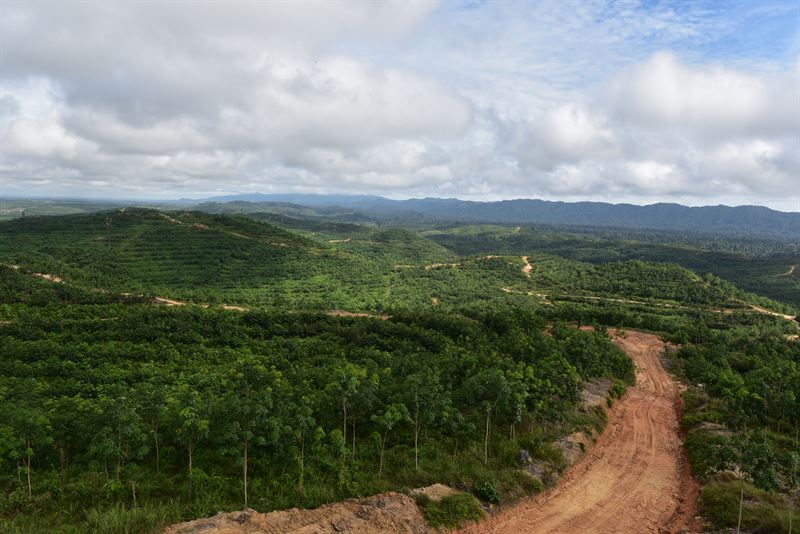
Clermont-Ferrand, France – Michelin has announced that it now sources exclusively deforestation-free natural rubber (NR) across its global operations.
In a 26 Nov statement, the French tire maker said its NR supplies comply with the requirements of the upcoming EU deforestation regulation (EUDR), with the group “extending its compliance worldwide.”
The French group said the achievement was the "culmination of several years of work" to strengthen traceability across the supply chain.
According to it's statement, Michelin uses nearly 750 kilotonnes of NR annually, and has been working on sourcing exclusively deforestation-free rubber since 2015.
Among other initiatives, Michelin said it worked to improve the transparency and traceability of its supply chain, including “mapping risks and plots of origin” and integrating growers into its traceability system.
The initiative has also involved the use of geolocation and satellite imagery technologies, alongside support for suppliers and growers.
Michelin said 1.5 million growers are now involved in its traceability system, with nearly 2.5 million rubber-tree plots mapped.
These efforts, the group said, demonstrate that “deforestation-free sourcing is possible on a large scale.”
According to Michelin, tire manufacturing accounts for 75% of global NR production, with the material's strength, elasticity, flexibility and grip properties essential to product performance, safety and durability.
While synthetic materials can meet certain needs, Michelin said, “none can currently replicate the full range of properties of natural rubber.”
"Preserving this resource while ensuring production that respects biodiversity and the communities that depend on it is particularly complex," said the group.
This is compounded by a “highly fragmented global supply chain,” which relies mainly on six million growers across several countries and involves “particularly complex sourcing networks.”
While describing the EUDR as a “major step forward in the fight against deforestation,” Michelin said the sustainable transformation of the sector could only succeed with the involvement of all stakeholders.
These include growers, cooperatives, traders, processors, manufacturers, distributors and public authorities.
“For the group, successfully transforming the sector requires the same rules to be applied fairly to all market players, in Europe and around the world,” said Richard Andermyr, Michelin Europe's sustainability director.
“This level playing field is essential both to the effectiveness of the regulation and to preserving the competitiveness of manufacturers that are committed to this transition.”
This article is only available to subscribers - subscribe today
Subscribe for unlimited access. A subscription to European Rubber Journal includes:
Every issue of European Rubber Journal (6 issues) including Special Reports & Maps.
Unlimited access to ERJ articles online
Daily email newsletter – the latest news direct to your inbox