Facility to strengthen global supply of conductive materials for batteries, energy infrastructure
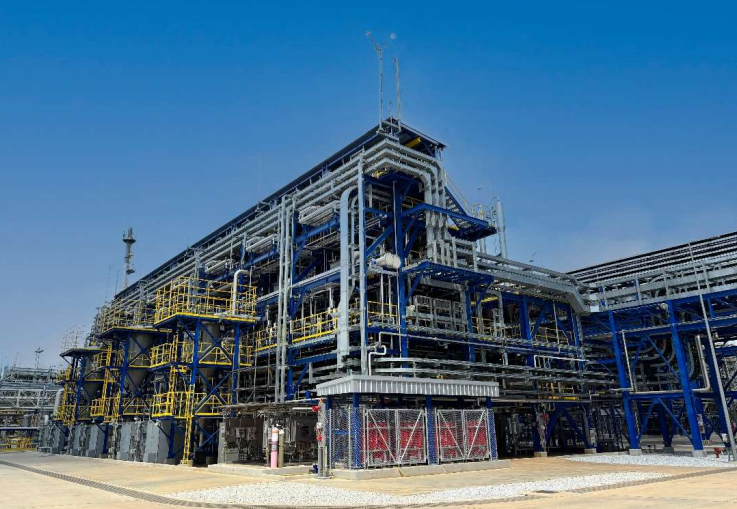
Tokyo, Japan – Denka has completed construction of its $400 million acetylene black plant in Thailand, with commercial production scheduled to begin in January 2027.
The Japanese chemicals group said 17 Nov that the 11 kilotonnes per annum (ktpa) facility in Map Ta Phut, Rayong province, was completed at the end of Octobver, with an opening ceremony held mid-November.
According to Denka, the facility will strengthen its "global supply network" and support growing demand for conductive materials used in electric vehicles (EVs), energy storage systems (ESS) and power infrastructure.
The plant will manufacture Denka Black, an "ultra-high-purity, highly conductive material" produced using thermal decomposition technology.
The material is used as a conductive additive in lithium-ion batteries and high-voltage power transmission cables, including those supporting offshore wind power generation.
According to its website, Denka’s carbon black materials are also used for the production of conductive rubber for cables as well as other products such as belts, hoses, flooring and shoes.
Denka expects demand for battery materials, particularly for ESS applications, to increase amid the "AI-driven expansion of data centres" and growing adoption of renewable energy.
This article is only available to subscribers - subscribe today
Subscribe for unlimited access. A subscription to European Rubber Journal includes:
Every issue of European Rubber Journal (6 issues) including Special Reports & Maps.
Unlimited access to ERJ articles online
Daily email newsletter – the latest news direct to your inbox