Michelin calls for ‘scientific rigour’ on tire-wear emissions
16 Sep 2026
Share:
French group backs Euro 7 requirements, says further research needed into environmental, health impacts
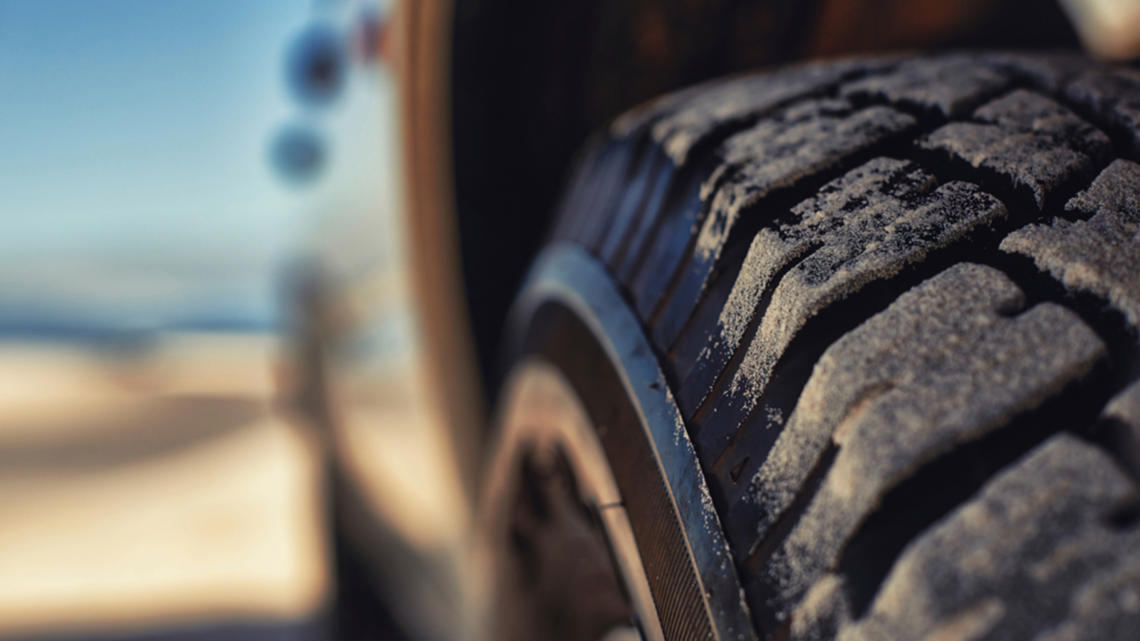
Paris – Michelin has called for “transparency and scientific rigour” in addressing tire- and road-wear particles, as the issue faces increased public scrutiny in France.
Responding to an investigation aired by French broadcaster France 5, Michelin said tire-wear particles represented “one of the tire industry's key environmental challenges” and a priority for its research and innovation activities.
“All tires, of all brands, generate tire-wear particles – in widely varying quantities – when they are driven on the road,” Michelin said in a 14 Sept statement.
The particles result from friction between tires and the road and contain materials originating from both, the French tire maker explained.
“It is essential to better understand how tire- and road-wear particles behave in the environment, as well as their potential effects on ecosystems and human health,” Michelin said.
While scientific knowledge is advancing, the group said “some questions still require further research” based on robust methods and reliable results.
Michelin said it had reduced its global emissions of wear particles by around 100 kilotonnes between 2015 and 2020 and is targeting a further 10% reduction by 2030.
Citing a 2025 ADAC study, the tire maker said its products emitted on average 27% fewer wear particles than the competing tires tested.
Michelin also reiterated its support for Euro 7, which introduces requirements for tire-wear emissions and is intended to progressively remove the highest-emitting tires from the market.
The group said it supported implementation for passenger vehicles and wanted the requirements extended to commercial vehicles and heavy-duty trucks “as quickly as possible”.
On the use of rubber anti-ageing substance 6PPD, Michelin said it was taking research into the antidegradant and its derivatives “very seriously”.
“To date, no alternative capable of ensuring the same level of safety and performance has been identified,” it added.
Michelin said it was continuing research with France's CNRS and Universite Clermont Auvergne to better understand how tire-wear particles degrade in the environment and explore approaches that could ultimately promote their biodegradation.
This article is only available to subscribers - subscribe today
Subscribe for unlimited access. A subscription to European Rubber Journal includes:
Every issue of European Rubber Journal (6 issues) including Special Reports & Maps.
Unlimited access to ERJ articles online
Daily email newsletter – the latest news direct to your inbox