TIP launches Paris pilot to assess wastewater treatment of tire wear particles
25 Jun 2026
Share:
Study at one of Europe’s largest treatment plants aims to generate real-world data on removal of TRWP
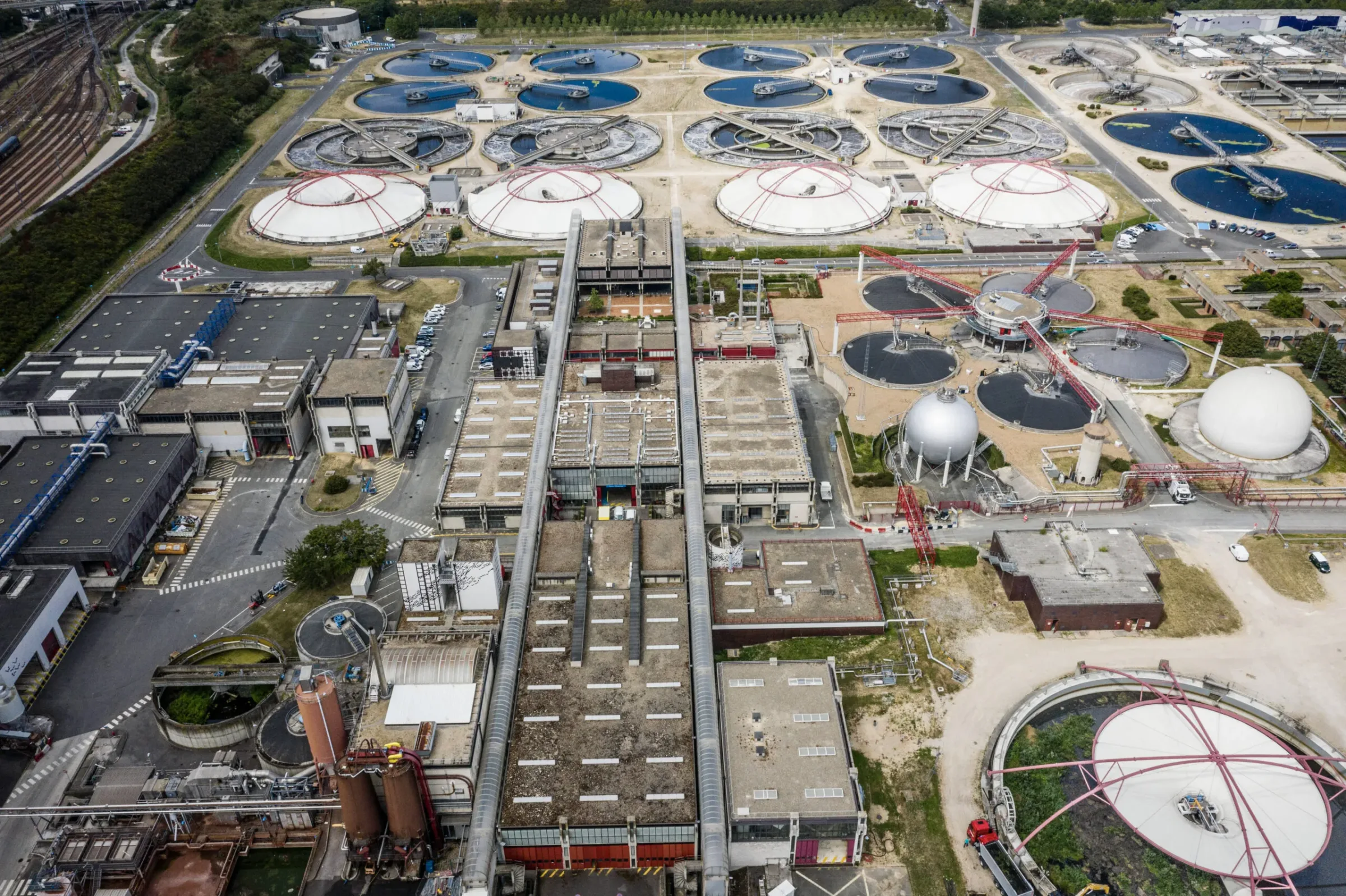
Geneva, Switzerland – The Tire Industry Project (TIP) has launched a pilot study at one of Europe’s largest wastewater treatment plants to assess how effectively such facilities can remove tire and road wear particles (TRWP) from water streams.
The project is being carried out in partnership with the Greater Paris Sanitation Authority (SIAAP) and sustainability consultancy ERM at SIAAP’s Valenton wastewater treatment plant near Paris, the second largest in Europe.
The initiative represents TIP’s first ‘real-world’ test of one of the nine priority mitigation measures identified in its 2024 white paper, titled ‘commitment to addressing tire and road wear particles,’ TIP said 16 June.
According to TIP, the study seeks to address the "limited evidence" currently available on the extent to which wastewater treatment plants remove TRWP before treated water is discharged into rivers and other waterways.
Between now and the end of 2026, researchers will analyse samples collected at key stages of the treatment process.
The team will use laboratory techniques including pyrolysis gas chromatography-mass spectrometry (PY-GC/MS) to estimate how much TRWP is removed across the system.
The results are expected to be submitted to a scientific journal for peer review, with publication anticipated in early 2027.
“This pilot is an important step in going beyond understanding the subject in the laboratory to field-based evidence,” said Larisa Kryachkova, executive director at TIP.
“We expect to identify best practices that can be applied far beyond this project, supporting TIP’s ambition to support science-based mitigation,” she added.
TIP noted that TRWP remains “an evolving and extremely complex field of study” due to differences in particle characteristics, environmental pathways and analytical methods.
In its 2024 review of more than 50 potential mitigation measures, the organisation prioritised nine approaches based on their potential to reduce TRWP through prevention, containment and removal.
However, it also concluded that none had yet been proven effective specifically for TRWP under real-world conditions.
Sabrina Guerin, head of the innovation department at SIAAP, said participation in the project would provide “an early, science-based view of TRWP movement in solid waste.”
SIAAP treats around 2.5 million cubic metres of wastewater per day for more than 9 million people in the Paris region through a network of six wastewater treatment plants.
This article is only available to subscribers - subscribe today
Subscribe for unlimited access. A subscription to European Rubber Journal includes:
Every issue of European Rubber Journal (6 issues) including Special Reports & Maps.
Unlimited access to ERJ articles online
Daily email newsletter – the latest news direct to your inbox